
The Battle Over Isolation
Hepatitis C in Renal Disease, Hemodialysis and TransplantationThis flow traces the evolving conflict between segregating infected dialysis patients and strengthening universal infection control.
increasing Bearing strength in each event
 decreasing
Bearing strength in each eventdecreasingFear of the Unit

Fear of the Unit
Transmission becomes visible
High HCV prevalence and repeated seroconversions make the dialysis station appear dangerous. Centers seek a visible barrier against patient-to-patient spread.
Isolation proposed
Separate wards or machines promise control, but they also require complex scheduling and may stigmatize infected patients. Fear creates pressure for separation before evidence can determine its value.
Molecular Reversal

Molecular Reversal
Tracing the virus
Phylogenetic studies identify related isolates among patients who did not share machines. The evidence shifts attention from machine interiors to contaminated hands, surfaces, and equipment.
Strategy changes
Isolation loses its status as the primary answer. The conflict moves toward whether units can reliably perform ordinary precautions at every patient station.
Routine Wins
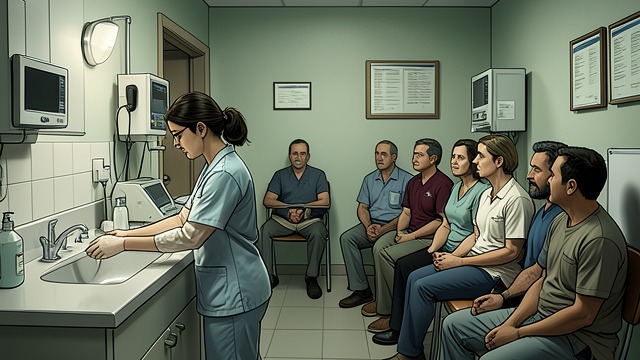
Routine Wins
Behavioral control
Hand hygiene, gloves, disinfection, disposal, audits, and station discipline become the central defenses. Prevention depends on repetition rather than exceptional architecture.
An ethical improvement
Patients remain within shared care environments without being treated as contaminating objects. Safety and dignity become compatible when infection control is practiced correctly.
early 1990s
mid-1990s to 2008
guideline implementation period
